







Search Results for: Single-Origin Blend
Can Espresso Blend Beans Be Used for Pour-Over? A Comprehensive Analysis of the Differences Between Espresso Beans and Single-Origin Beans and Brewing Recommendations
In an era where espresso and pour-over coffee coexist, many enthusiasts wonder: what happens if you use espresso blend beans for pour-over? From the perspective of Front Street Coffee, this article sorts out the essential differences between espresso blend beans and single-origin beans, explores the feasibility and flavor performance of using espresso beans for pour-over, and provides specific pour-over parameter references. At the same time, the article also introduces the flavor characteristics and prices of several Front Street espresso blend coffee beans, helping readers make choices according to their needs. Whether you want to try a new approach or want to understand the art of blending, you can gain practical information from it. [more…]
Espresso Blend Bean Flavor Recommendations | What's the Difference Between Espresso Blend Beans and Pour-Over Single-Origin Beans? What Happens If You Use Espresso Beans for Pour-Over Coffee?
With the growing specialty coffee market, many people have begun to explore espresso and pour-over coffee. Coffee enthusiasts who regularly drink espresso know that the coffee beans used for espresso are blended coffee beans, while those used for pour-over coffee are single-origin coffee beans. So what is the difference between the two? Can espresso beans be used to make [more…]
What exactly is the difference between single-origin coffee beans and espresso blends? Can espresso be made with single-origin beans?
Friends who drink coffee regularly may have heard the terms single-origin beans and blended beans, but what exactly they refer to and how they differ is something many people may not be able to explain clearly. Simply put, single-origin beans come from a single region and can be traced to a specific estate or even a coffee farmer; blended beans are coffee beans from different regions or countries mixed together for a purpose. From the perspective of Front Street Coffee, this article sorts out the definitions of the two, the roasting differences, and the principles and techniques to master when blending, and introduces in detail the flavor characteristics and suitable scenarios of four Front Street products—Sunflower Warm Sun, Specialty Blend, Commercial Blend, and Dark Cocoa Blend—to help you understand whether espresso can be made with single-origin beans. [more…]

Black Coffee Bean Varieties | What's the Difference Between Single-Origin Pour-Over Beans and Espresso Blend Beans? Can Espresso Blend Coffee Beans Be Used for Pour-Over Black Coffee?
With the development of specialty coffee, more and more people are falling in love with single-origin coffee. Two types of coffee have emerged on the market: single-origin coffee beans and blended coffee beans. Single-origin coffee beans are generally used for making pour-over coffee, though many specialty coffee shops also use single-origin coffee beans to make espresso. Blended coffee beans [more…]
Hand-Brewed Espresso Blend Beans | Can Espresso Blend Beans Be Used for Pour-Over Coffee? Specialty Espresso Blend Coffee Beans Recommended for Gourmet Lattes
Whether it's espresso beans or espresso blends, as the name suggests, they are ingredients used for extraction in espresso machines, which is also the origin of espresso. So what are the characteristics of this kind of coffee? Besides making espresso, can it also be used to make pour-over coffee? Front Street Coffee (FrontStreet Coffee [more…]
SOE Latte Flavor Characteristics | What Is the Relationship and Difference Between SOE Coffee Beans and Pour-Over Single-Origin Beans? Which Tastes Better, Blended Espresso or Single-Origin Espresso?
For more specialty coffee knowledge, please follow our WeChat public account: FrontStreet Coffee. Some people believe that espresso made from single-origin coffee beans (SOE/Single Origin Espresso) must necessarily be better than [more…]
The Blending Principles and Purposes of Espresso Blend Coffee Beans, and Whether Blend Beans Are Suitable for Pour-Over Coffee
In the specialty coffee wave, single-origin beans and blended beans each have their own followers. Single-origin beans often appear in the pour-over realm, while blended beans mainly target espresso, safeguarding flavor consistency. But why exactly are beans blended? Can blends handle pour-over? And is it feasible to use single-origin beans for espresso? This article starts from Front Street Coffee's fresh-roasting philosophy, clarifies the conceptual boundaries between blends and single-origin, analyzes the process differences between pre-roast blending and post-roast blending, addresses the bean selection and roasting key points for SOE, and explains the rationale for using blended beans in pour-over along with Front Street's specific blending approach. [more…]
SOE Single-Origin Espresso Selling Points Explained: A Guide to Choosing Non-Acidic Espresso Beans
Walking into a specialty coffee shop, you'll often see SOE on the menu. It stands for Single Origin Espresso. Many people mistakenly believe that single-origin beans are necessarily superior to blend beans, but is that really true? This article, from the perspective of Front Street Coffee, first explains the extraction principles of espresso, then describes the respective characteristics of single-origin beans and blend beans, and finally recommends five espresso blend beans with different positioning, to help you make a more suitable choice when pursuing a non-sour taste. [more…]
What coffee beans should you choose for espresso? Single-origin vs. blend differences, SOE key points, and Front Street recommendations
In the world of espresso, the choice of coffee beans often determines the foundation of a cup. The coffee beans commonly found on the market are broadly divided into two categories: single-origin and blends. The former emphasizes the terroir and character of a specific origin, while the latter pursues stability and balance of flavor. Many people wonder: can single-origin beans used for pour-over be used directly to make espresso? And can blend beans be used for pour-over? From the perspective of Front Street Coffee, this article sorts out the differences between single-origin beans and blend beans, the impact of freshness on flavor, and the considerations in bean selection and roasting for SOE, while also sharing the flavors of specific products such as Front Street Sunshine Blend, to help coffee lovers clarify their thinking and find the bean that suits their own espresso recipe. [more…]
How to Choose Between Single-Origin, SOE, and Espresso Blend Coffee Beans? A Full Breakdown of Uses, Roasting, and Flavor Differences
Many coffee enthusiasts encounter a common confusion when selecting beans: what exactly is the difference between single-origin, SOE, and espresso blends? What scenarios does each suit? In fact, single-origin coffee beans emphasize traceable regional flavors, SOE is espresso made from single-origin beans, and blends are more like a creative combination that can both complement strengths and weaknesses and create entirely new flavors. From the perspective of Front Street, this article breaks down in detail the differences among the three in terms of definition, roasting logic, and practical uses, helping you more clearly understand the positioning of each type of bean and avoid falling into the misconception that "SOE is necessarily more premium than blends." [more…]
Blend vs. Single-Origin Coffee Beans: Can Espresso Blends Be Used for Pour-Over?
Many coffee enthusiasts are skeptical of blended beans, believing they are less pure than single-origin beans. In reality, blended coffee beans are not a product of compromised quality, but rather a clever approach that combines multiple beans to achieve cost control, flavor consistency, and enhanced layers of taste. From the perspective of Front Street, this article clarifies the essential differences between single-origin beans and blended beans, explains that blended beans are suitable not only for espresso but also for pour-over, moka pot, and other brewing methods, and specifically introduces two products—Front Street Classic Blend and Front Street Strawberry Candy · Geisha Blend—demonstrating how blending can achieve an effect where 1+1 is greater than 2. [more…]
What Is SOE Single-Origin Espresso? Which Is Better for You Compared to a Blend?
In the world of espresso, SOE has attracted increasing attention in recent years. SOE refers to espresso made from single-origin coffee beans, but it is not inherently better tasting. This article will start with the difference between single-origin beans and blend beans, analyze the characteristics of SOE—its striking flavor yet tendency to magnify flaws—and, combined with Front Street Coffee's comparative experiments, explain the problems of higher acidity and thin body when light-roasted beans are used for espresso. The article will also offer bean-selection advice for coffee shops and home users, and introduce in detail the applicable scenarios and flavor performance of several Front Street espresso blends, helping you find the cup that suits you best. [more…]
Single-Origin vs. Espresso Blend Beans: Can Blends Handle Pour-Over?
In today's world of increasingly popular specialty coffee, single-origin beans and blended beans each play an important role. The former is often used for pour-over, showcasing the terroir of its region; the latter is mostly used for espresso, pursuing stability and balance. But can blended beans really not be used for pour-over? And is it feasible to use single-origin beans for espresso? This article will, from the perspective of Front Street Coffee, deeply analyze the essential differences between the two, answer the feasibility of using blended beans for pour-over, and at the same time emphasize the importance of coffee bean freshness. Whether you are a pour-over enthusiast or an espresso player, you can gain practical ideas for choosing beans and brewing from it. [more…]
A Comprehensive Analysis of the Differences Between Espresso Blend Coffee Beans and Single-Origin Beans and the Logic of Blending
Many friends who are just getting into coffee are curious: why are blend beans used for making lattes and cappuccinos, while single-origin beans are used for pour-over? What exactly is the difference between the two? Starting from Front Street Coffee's production practices, this article systematically sorts out the definition of espresso blends, blending approaches, the original intent behind blending, and the respective pros and cons of blending raw versus roasted beans, while also explaining the importance of blending ratios and flavor harmony. The article also introduces in detail the formulas and flavor positioning of Front Street's four espresso blends, helping coffee enthusiasts choose suitable espresso beans according to their budget and taste preferences, and understand the philosophy of balance behind blending. [more…]
Single-Origin Espresso (SOE) characteristics | Which coffee beans make espresso that isn't sour? Can pour-over single-origin beans be used as SOE coffee beans?
For more specialty coffee knowledge, please follow: Front Street Coffee (Frontsteet Coffee) In some coffee shops, there is such an option, SOE. SOE stands for Single Origin Espresso. Many specialty coffee shops [more…]
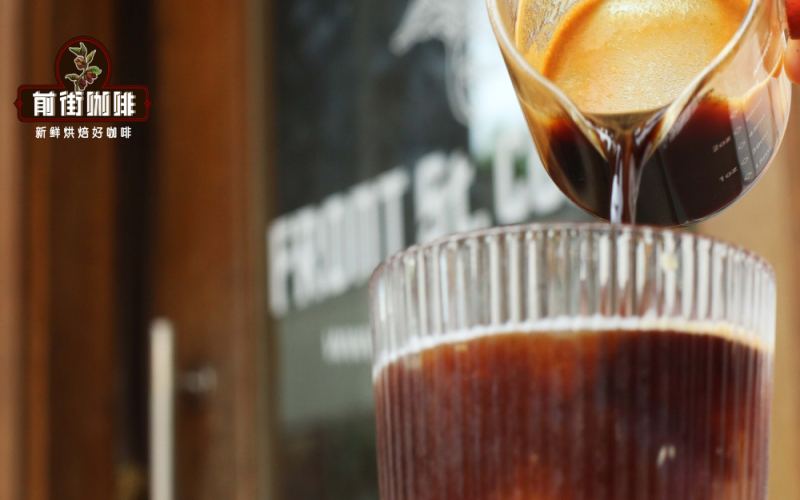
An Analysis of the Differences Between SOE Single-Origin Espresso and Blended Espresso Coffee Beans: Flavor Characteristics, Suitable Scenarios, and Selection Recommendations
In recent years, SOE (Single Origin Espresso) has frequently appeared on the menus of domestic coffee shops, and many people mistakenly believe that it must be of higher quality and more expensive than espresso blends. This is not the case. From the perspective of Front Street Coffee, this article systematically sorts out the definitions, development history, respective advantages and disadvantages of SOE and espresso blends, as well as the problems that may arise when single-origin beans are used for high-pressure extraction, and gives practical selection advice. The article also lists several espresso blend beans currently sold by Front Street and their flavor descriptions, helping coffee enthusiasts make rational judgments based on their own needs, and no longer blindly pursue or belittle a certain type of coffee bean. [more…]

Espresso Blend Philosophy | Why Blend Coffee Beans? How Different Are Espresso Blends from Single-Origin Beans in Flavor?
Coffee lovers who frequently visit Front Street Coffee (FrontStreet Coffee) know that Front Street Coffee (FrontStreet Coffee) not only offers pour-over coffee but also espresso-based drinks, such as mocha, cappuccino, latte, and more, which are often available. [more…]
How Do Espresso Blends Differ from Pour-Over Single Origins? A Comprehensive Analysis from Definition and Roasting to Front Street Coffee's Four Classic Blend Recipes
Coffee beans on the market can be broadly divided into two camps: single-origin and blends. The former emphasizes pure traceability from a single region, while the latter pursues balance and consistency of flavor through combining multiple origins. This article begins with definitions, sorting out the essential differences between single-origin beans and blend formulas, then expands into the goals that must be clarified before blending, the role division of each bean type, and the principles of bean selection and ratio control that should be followed. At the same time, drawing on four classic blends from Front Street Coffee—Sunflower Warm Sun, Specialty Blend, Commercial Blend, and Dark Cocoa Blend—it explains each bean formula's composition, flavor direction, and suitable scenarios, helping coffee enthusiasts understand the logic behind blending and also providing a reference for purchasing espresso beans. [more…]
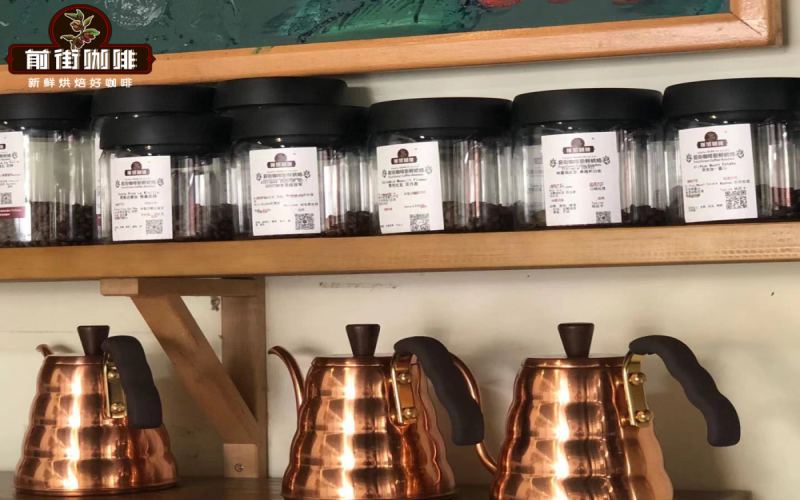
What Exactly Is Single-Origin Coffee? Differences from Espresso and the Truth About SOE
Many people mistakenly believe that single-origin coffee beans mean coffee beans of a single variety, but in fact it refers to coffee from the same origin or the same producing region. And SOE (Single Origin Espresso) is not a more premium choice than a blend. This article will clarify the essential differences between single-origin coffee and espresso from the perspectives of extraction principles, roast level, and output consistency, and explain why Front Street Coffee does not serve SOE in its stores, as well as the recipe approach and usage of Front Street Sunflower Warm Sun espresso blend beans, helping coffee enthusiasts build a more accurate understanding. [more…]
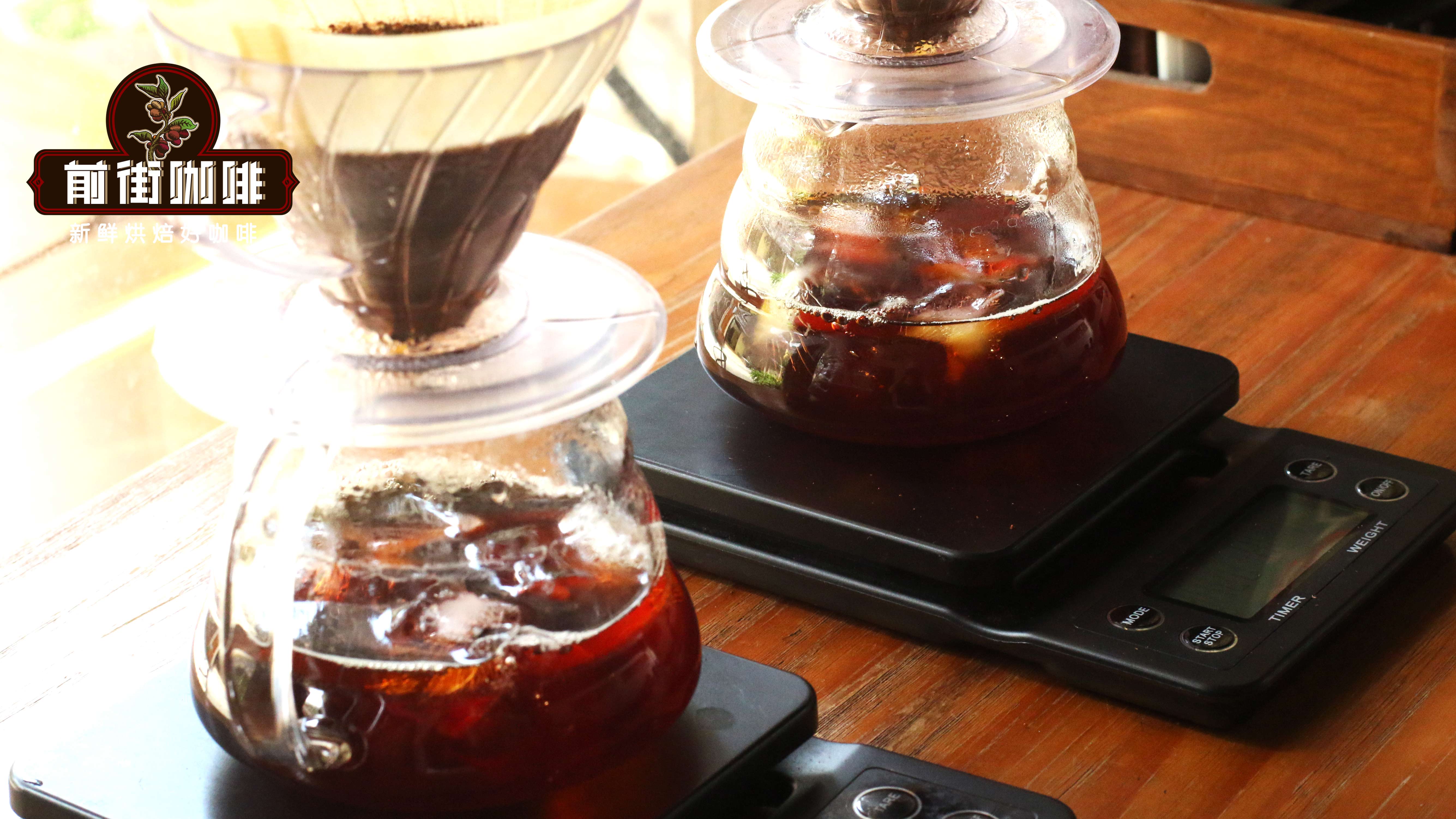
A Comprehensive Guide to Espresso Blend Coffee Beans: Yunnan Flavor Blend Characteristics and Four Selected Front Street Coffee Bean Recommendations
Single-origin coffee is mostly used for pour-over, while espresso is generally made with blended beans. But must espresso use blended beans? What exactly is a blend? From the perspective of Front Street Coffee, this article systematically sorts out the origin of espresso blends, the purpose of blending, and the difference between raw blending and roasted blending, and analyzes in detail the flavor characteristics and applicable scenarios of four Front Street blends. The article also specifically introduces the "Front Street Dark Cocoa Blend" based on Yunnan coffee beans, which is highly cost-effective and suitable for moka pots and espresso beginners. Whether you are a coffee enthusiast or a shop owner, you can find an idea for choosing espresso beans that suits you. [more…]